History of Abu Dhabi, UAE – From Desert Origins to Modern Metropolis
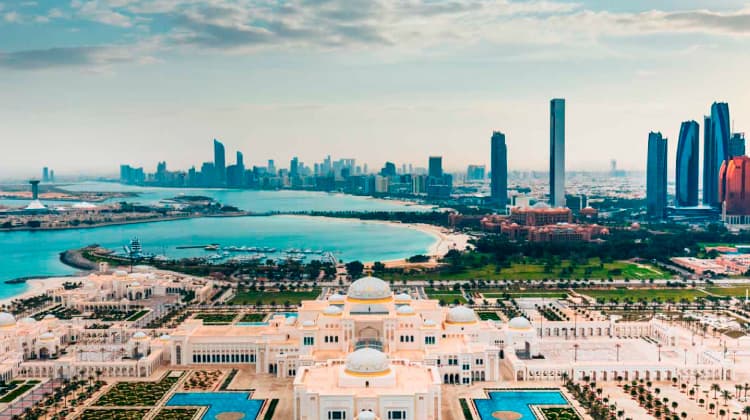
Abu Dhabi, the capital of the United Arab Emirates, is a city where rich heritage meets modern innovation. Built across an archipelago of more than 200 islands along the Arabian Gulf, Abu Dhabi has evolved from a small tribal settlement into one of the world's most prosperous and forward-thinking capitals. Its remarkable transformation reflects the vision of its leaders, the resilience of its people, and the strategic importance of its geographical location. Today, Abu Dhabi stands as a global hub for business, culture, tourism, and sustainable development while preserving its deep-rooted traditions and heritage.
Early Beginnings of Abu Dhabi
The origins of Abu Dhabi trace back to the Bani Yas tribe, ancestors of the ruling Al Nahyan family. Originally based in the Liwa Oasis, the tribe relied on the desert's natural resources for survival. In 1761, a hunting party from the Bani Yas tribe discovered fresh water on an island along the coast. According to local history, a gazelle led the hunters to the water source, inspiring the name "Abu Dhabi," which translates to "Father of the Gazelle" or "Land of the Gazelle." The discovery of fresh water encouraged permanent settlement on the island, laying the foundation for the city that would later become the capital of the UAE.
Strategic Geographical Location
Abu Dhabi is located on an island in the Arabian Gulf, approximately 250 meters from the mainland. Over time, the city expanded through a network of bridges connecting the islands and surrounding districts. Major bridges include:
Sheikh Zayed Bridge
Maqta Bridge
Mussafah Bridge
Its coastal location enabled early residents to establish thriving fishing, pearl diving, and trading industries long before the discovery of oil. The surrounding islands provided natural protection for boats and trading routes, making Abu Dhabi an important regional center.
Life Before Oil
Prior to the discovery of oil, Abu Dhabi's economy depended largely on traditional industries.
Main Sources of Income
Pearl Diving
Fishing
Maritime Trade
Date Farming
Livestock Rearing
Pearl diving was particularly important and supported many local families. Abu Dhabi became known throughout the Gulf region for producing high-quality natural pearls. However, the global pearl market declined dramatically in the 1930s following the introduction of cultured pearls, creating economic challenges for the region and increasing the need for alternative sources of income.
Important Historical Landmarks
Qasr Al Hosn
Qasr Al Hosn is the oldest surviving structure in Abu Dhabi.
Originally built in the 18th century as a watchtower to protect the island's freshwater source, it later expanded into a fort and served as:
Residence of the ruling family
Seat of government
Administrative center
Today, Qasr Al Hosn is a museum and cultural landmark that tells the story of Abu Dhabi's development over the centuries.
Sir Bani Yas Island
Sir Bani Yas Island is one of the UAE's most significant historical and ecological destinations.
The island is home to:
The UAE's only known ancient Christian monastery
Archaeological sites dating back to the 7th century
Arabian Wildlife Park
The island reflects Abu Dhabi's commitment to preserving both history and biodiversity.
Umm an-Nar Island
Umm an-Nar Island is one of the most important archaeological sites in the UAE. Excavations revealed evidence of the ancient Umm an-Nar civilization, which flourished between 3200 BCE and 1300 BCE. Discoveries include:
Bronze Age tombs
Pottery
Trade artifacts
Early settlement remains
These findings highlight Abu Dhabi's long history as a center of trade and cultural exchange.
Hili Archaeological Park
Hili Archaeological Park offers valuable insight into human settlement in the region over 5,000 years ago. Located in Al Ain, the site features:
Ancient tombs
Irrigation systems
Settlement remains
UNESCO World Heritage recognition
It remains one of the most significant heritage sites in the UAE.
The Oil Discovery and Transformation Era
The discovery of oil in 1958 marked a turning point in Abu Dhabi's history. Under the visionary leadership of Sheikh Zayed bin Sultan Al Nahyan, oil revenues were invested in:
Modern infrastructure
Schools and universities
Hospitals and healthcare facilities
Roads and bridges
Housing developments
These investments transformed Abu Dhabi from a small coastal settlement into a modern city within a few decades.
Abu Dhabi and the Formation of the UAE
In 1971, Abu Dhabi became the capital of the newly established United Arab Emirates. As the largest and wealthiest emirate, Abu Dhabi played a central role in the formation of the federation and continues to serve as the country's political and administrative center. The leadership of Sheikh Zayed helped unite the emirates and laid the foundation for the nation's long-term prosperity and stability.
Abu Dhabi's Islands Today
Abu Dhabi remains an island city, with each island offering a distinct lifestyle and purpose.
Yas Island
Yas Island is known for:
Ferrari World Abu Dhabi
Yas Marina Circuit
Warner Bros. World Abu Dhabi
Yas Mall
Luxury residential communities
Saadiyat Island
Saadiyat Island serves as Abu Dhabi's cultural hub and features:
Louvre Abu Dhabi
Zayed National Museum
Guggenheim Abu Dhabi
Luxury resorts and residences
Al Reem Island
Al Reem Island has developed into a major residential and commercial district offering waterfront living and modern infrastructure.
Hudayriyat Island
Hudayriyat Island has become a popular destination for:
Sports activities
Beaches
Cycling tracks
Family entertainment
Zaya Nurai Island
Zaya Nurai Island is an exclusive private island destination known for luxury hospitality and pristine beaches.
From Heritage to a Modern Vision
Today, Abu Dhabi successfully balances its cultural heritage with future-focused development. The city is home to:
World-class museums
Sustainable communities
Smart city initiatives
International business districts
Luxury tourism destinations
At the same time, traditional values, Emirati culture, and historical landmarks remain central to its identity. The emirate continues to invest in innovation, education, sustainability, and cultural preservation, ensuring that future generations remain connected to their rich heritage.
Conclusion
The history of Abu Dhabi is a story of vision, resilience, and transformation. From a small settlement founded around a freshwater source to one of the world's most modern capitals, Abu Dhabi has undergone an extraordinary journey. Its ancient forts, archaeological treasures, cultural institutions, and iconic islands tell the story of a city that honors its past while embracing the future. Today, Abu Dhabi stands as a global symbol of progress, sustainability, and cultural pride, continuing to shape the future of the UAE and the wider region.